History
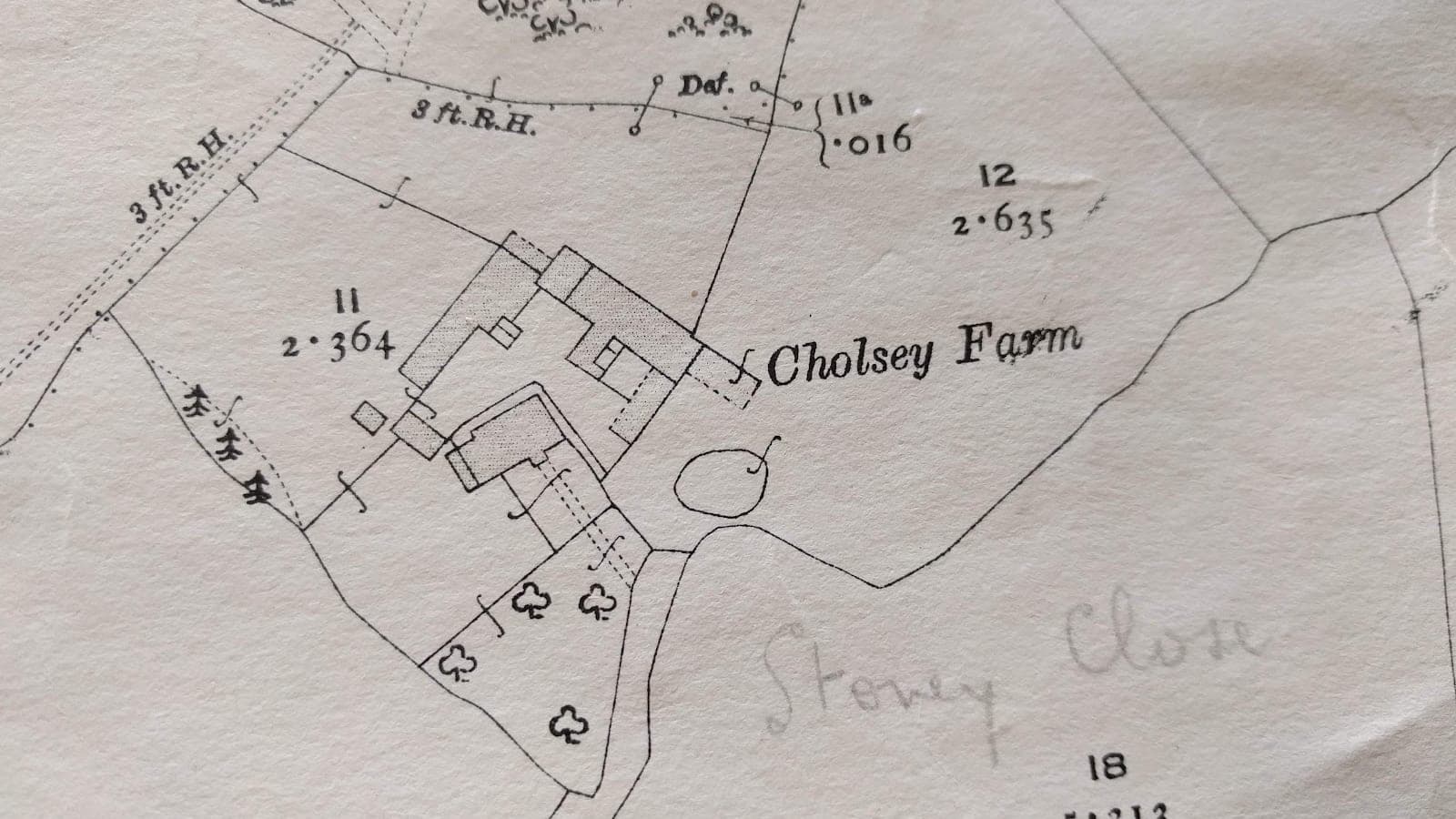
A map from 1921 and aerial photographs from 1969 and 2009 show how much of the farm has been demolished, rebuilt and converted, and how much is still standing.
1921
The Ordnance Survey
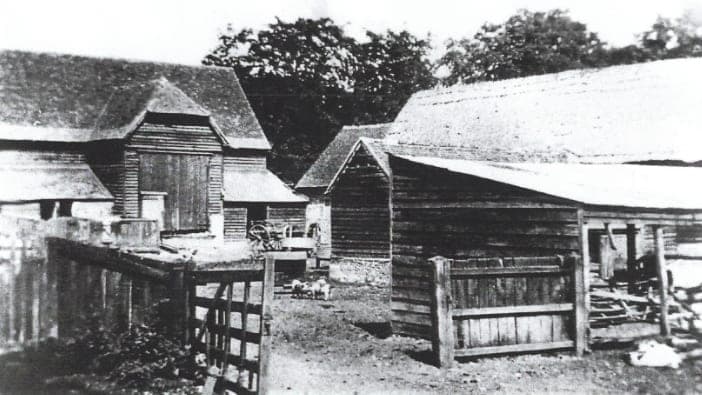
On the left is our main barn, still in use. On the right is a barn that burned down in a fire and was replaced by a piggery, now converted to offices. The cart shed is now used as a farm store.
1950s & 60s
A true mixed farm
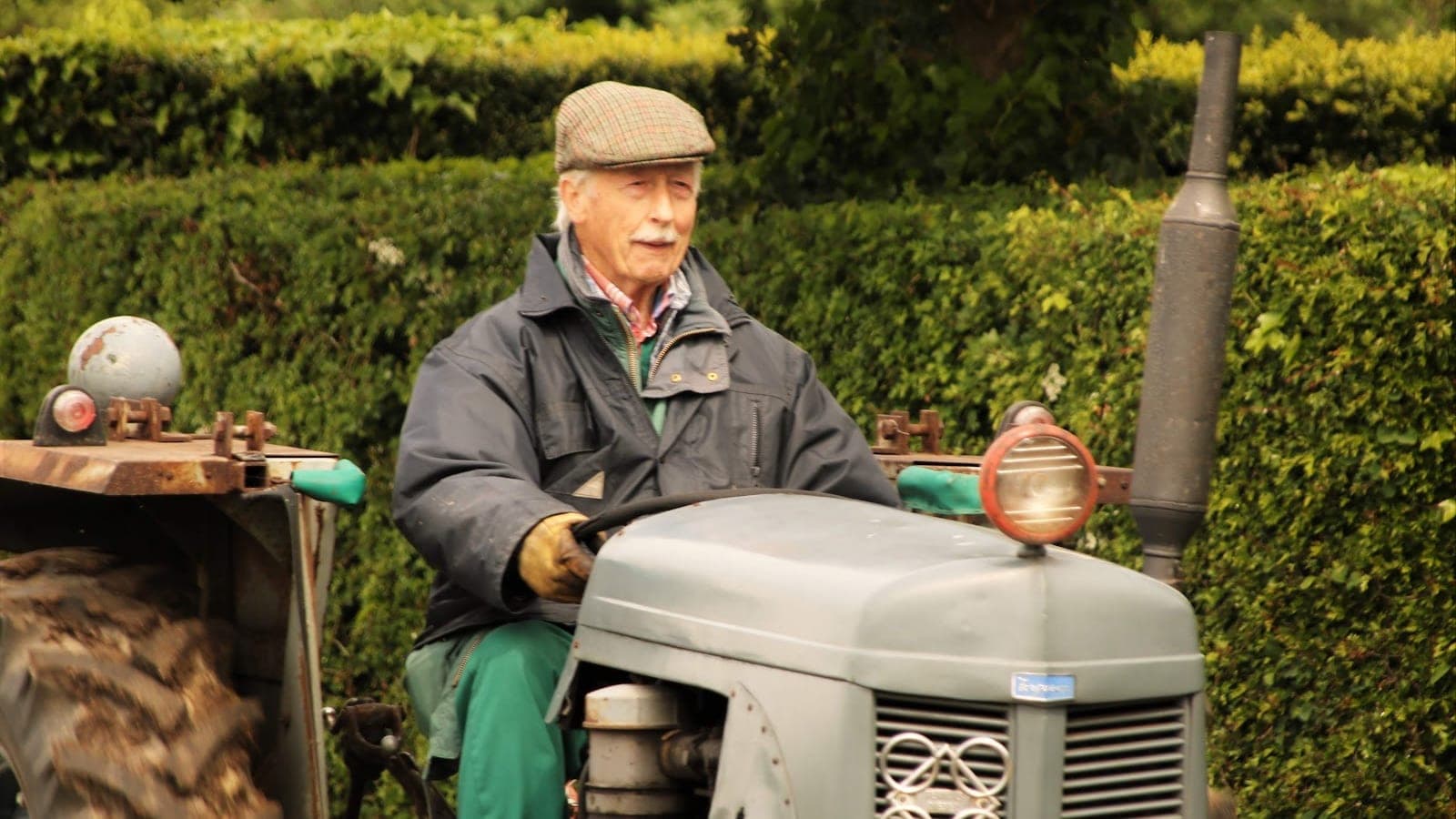
In the late 1950s and early 1960s Cholsey Grange Farm had pigs, chickens and sheep. The chicken enterprise numbered seven large sheds, all now demolished, containing both egg-laying birds and birds for the table. They were fed on wheat grown on the farm and milled here in our own processing mill.
1969
From the air
An aerial view taken in 1969 shows many buildings that have since gone: the grain drier, the chicken sheds, the pig units, the hay barn and the workshops.
Most notably, Hartmoor Wood, at the top right of the photograph and then owned by Mr John Fane of Wormsley, was clear-felled. It has since regrown through natural regeneration and is now owned by Mrs Hilary Wright.
2009
Forty years later
Some of the outbuildings remain, many have been demolished or altered in shape, and a couple of modern agricultural barns have replaced the former pig unit and chicken sheds. The new barns were built to store grain and straw, and for lambing the 200 to 300 Welsh ewes.
Some of the old pigsties and workshops have been converted to offices, whilst the old dairy is now home to a skilled cabinet-maker and to storage. The listed oak-framed barn was re-roofed with local, hand-made tiles; it now houses hay, logs and a tractor.
Hartmoor Wood is regenerating and is now mixed woodland with a good deal of ash.