Diversification
Cereal cropping on 190 acres of poor and flinty soil is borderline from a financial viewpoint. Like two-thirds of farms in the UK, Cholsey Grange Farm has diversified in a number of ways. We are not unique.
What we have done
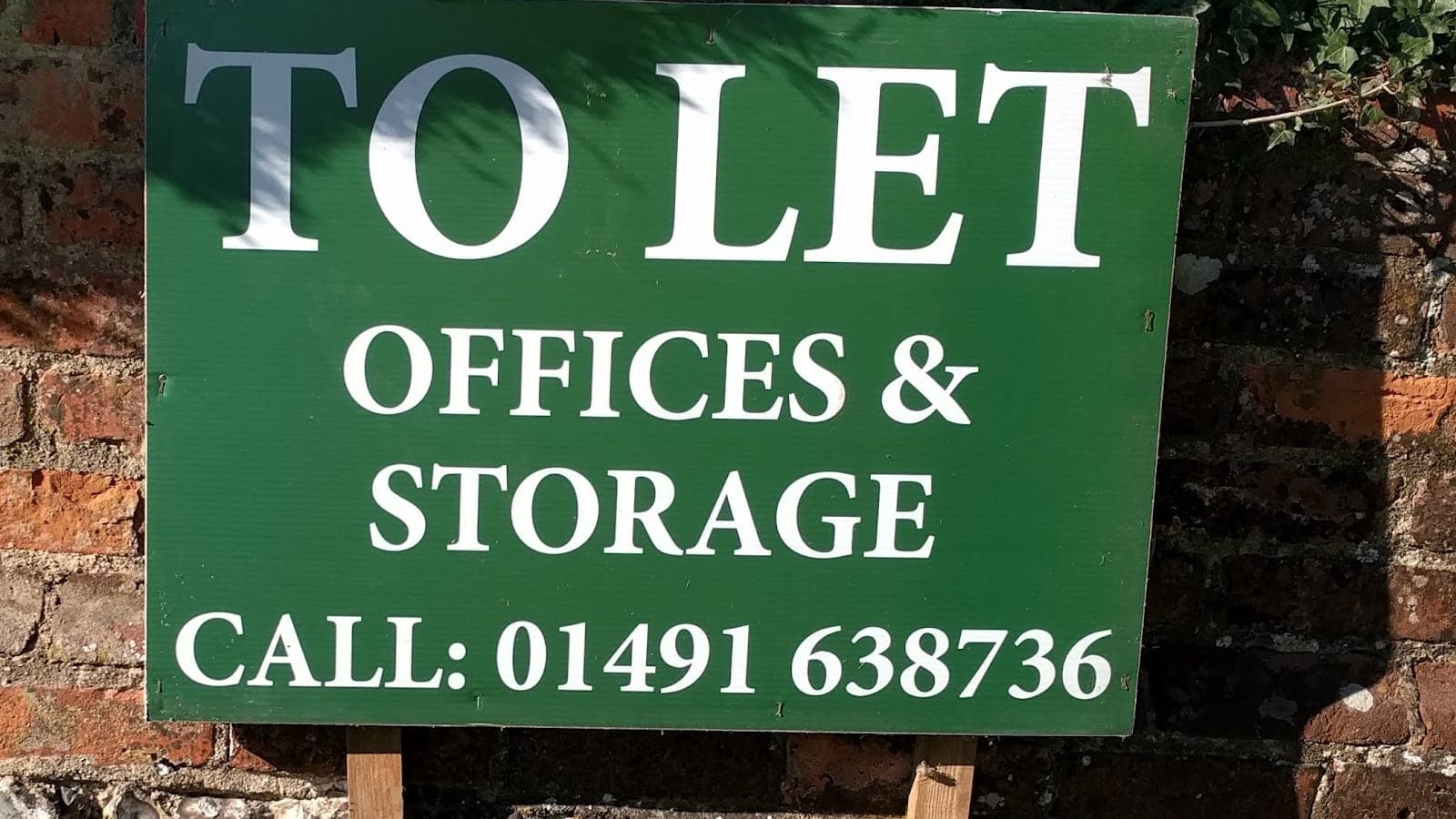
Letting redundant agricultural buildings
Former pigsties, workshops and the old dairy, now let as offices, storage and workshops. One is home to a skilled cabinet-maker.
Cholsey Grange Certificated Location
A five-van caravan and motorhome site, with hardstanding serviced pitches and views across the valley.
Cholsey Farm Riding
Safe off-road riding for horse owners, with seventeen pre-planned circular routes and a tacking-up barn.
The wider picture
Almost two-thirds of farms in England have diversified into a non-agricultural business, generating a total of £620m in extra annual income, according to statistics released by Defra.
The most common form of diversification uncovered by the survey was letting empty buildings for non-agricultural use. About 24,600 farms, 43% of all farms in England, are engaged in the activity. This type of venture also brought in the highest average extra income, at £17,900 per farm.
In April 2019, with the industry on the brink of major change, Farmers Guardian urged farmers to revisit diversification and to look at creating new income streams to de-risk the farming business.
Where the income comes from
Agriculture remains at the heart of the farm, accounting for around a quarter of income. Tourism now contributes a little over a quarter, with the balance coming from lettings, venison sales and marketing services. That spread is what has allowed the farm to absorb fluctuating agricultural prices and the pandemic.